The Stamford Lecture - Food Security and Geopolitics
Nov. 5, 2026
Posted in Policy
Julius Maada Bio President of Sierra Leone said only last year, that a country which cannot feed its self is not free.
For 30 years, UK food self sufficiency has been moving in the wrong direction - we are now less self sufficient in 10 of 11 everyday foods,
65% of English wheat and barley is grown on farms operating at a loss.
Agriculture is no stranger to bad times, I walked out of School in 2001, already working part time in the grain trade, with the voices of my farming community—ravaged by foot and mouth disease – ringing in my ears – Get a proper job they said.
The pull was too strong; I gravitated back to the grain trade and bought my first tonne of wheat in 2005 for £60, the farmer was making a loss. Today you see that price increased by 190%, yet diesel and fertiliser have risen by over 224%, the maths have not improved. Farming is cyclical, people need to eat, so there will be better days.
Today farmers also face the ravages of climate, and geopolitics.
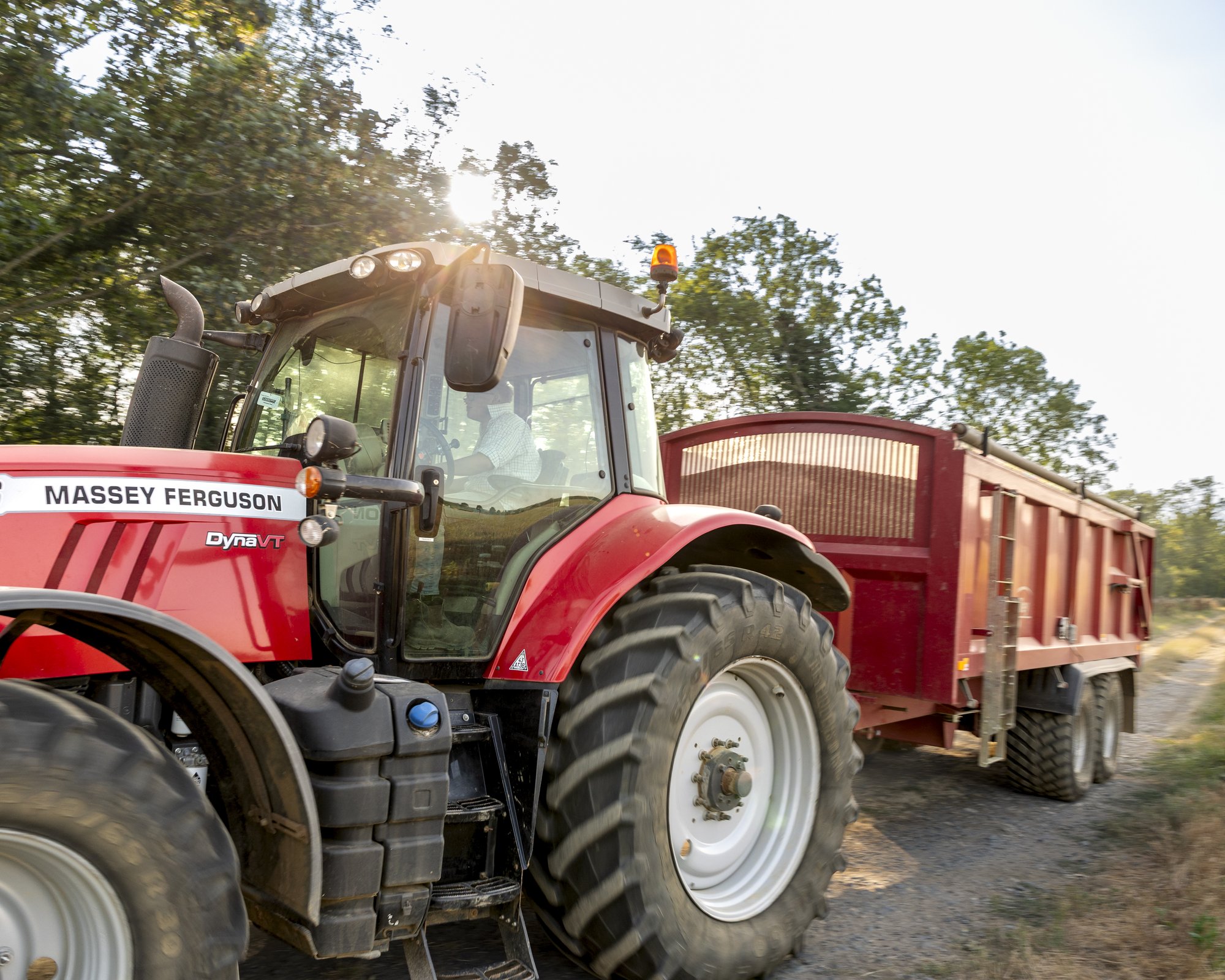
The much feared logistical disruption in the black sea which caused both costs of inputs and grain prices soar in 2023, is playing out today in technicolour as a result of the ongoing war in Ukraine. Yet wheat was £340/t in Autumn 2023, today UK wheat is trading at a shade under £200 a tonne with a harvest which is 25% below average yield. The impact on diesel prices as a result of refinery strikes reducing global output, remains acute, as farmers are paying close to 100% more to fuel a tractor than they were 12 months ago.
The war in Iran continues to cause issues with fertiliser, as the global market is so dependent on urea moving freely through the Strait of Hormuz. Here too farmers have seen huge price volatility with fertilser moving from £470/t - £620/t and back again in 12 months.
Farming is uniquely exposed to the impact of geopolitics; we wait to see what comes next as a result of US the midterm elections. So much of our lives seem to sit in the hands of a few global leaders.
Similarly, we are exposed to domestic policy, where food security and having a secure supply of food are not the same thing.
Government lacks understanding that having food security is about a solid policy framework, which enables agriculture and the food industry.
An individual’s prospect of having three decent meals a day is largely determined by whether they can afford food and whether good food is available locally. If you live in poverty surrounded by fast food outlets, your prospects are frankly bleak.
Reducing trade barriers and importing food produced to standards that would not be permitted here may increase supply and reduce prices, but it also makes English farmers less competitive and risks undermining confidence in British food standards. This year, imported eggs have been linked to serious Salmonella outbreaks. A cheap egg is no answer to poverty if you cannot afford it, or if it makes you ill.
National food security is different. It starts with agricultural production. That foundation supports the mills, slaughterhouses, factories and businesses that turn raw materials into food. We then need the energy, labour, skills and logistics to get that food to market. The whole chain matters. It is an amazing industry to work in: fast moving, demanding, skilled and endlessly interesting.
Food security is National security was one of the few positive things in the (VERY BRIEF) labour manifesto for farming. Their ambition seems to struggle to move from page to policy. Farming has its boots on, we are working harder than ever, increasingly being forced to diversify away from food production.
It seems Whitehall is struggling to deliver adequate policy, for changing times, even where it comes at no financial cost. We are being served thin soup on a flat plate .
So whilst farming marches on, trying to build resilience, profitability and produce amazing food, Whitehall is working out whether tin ears and clay feet can keep up.
Back to the fundamental question, when we think about our freedom, if a large shock comes in the way that war, disease, or weather events do, can this country feed itself today and in the future?